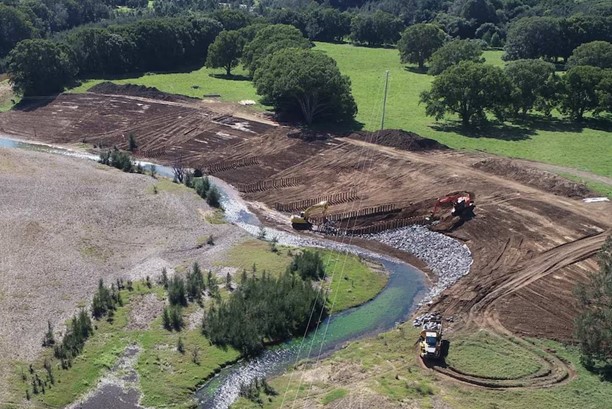
Mary River Recovery Program
Alluvium supported recovery planning and implementation for the Mary River, focusing on river condition, rehabilitation priorities, investment planning and long-term catchment outcomes.
View project
Waterway & stormwater engineer | Adelaide
Alluvium Consulting is a specialist water and environmental consultancy. For 20 years, we have worked on the places where water, landscapes and communities come together, from rivers, wetlands and floodplains to stormwater systems and urban waterways.
We are a science, engineering, strategy and design practice. Our people work with governments, regulators, utilities, developers and communities to understand how natural and built water systems function, solve complex problems and turn good science and engineering into practical action.
What makes Alluvium different is the breadth of thinking we can bring to a water problem. Our engineers work alongside geomorphologists, hydrologists, ecologists, scientists, strategists, economists and social scientists. We can think at the scale of a catchment or city, then follow an idea through planning, modelling and design to something that can actually be built and implemented.
Our waterway work is grounded in understanding natural processes. We have spent two decades working across rivers, wetlands, floodplains and coasts, combining hydrology, hydraulics, geomorphology, ecology and engineering to restore waterways, manage erosion, improve fish passage, rehabilitate landscapes and create more resilient river systems.
We bring that same thinking into our cities. We see stormwater as much more than a drainage problem. The way water moves through an urban landscape affects flooding, water quality, waterways, biodiversity, urban greening, cooling and the places where people live. Our urban water work brings these elements together, from strategy and integrated water management through modelling, water sensitive urban design, natural infrastructure and detailed engineering.
Increasingly, the most interesting projects sit somewhere between the two. An urban creek is both infrastructure and a living waterway. A stormwater project can also create habitat, reduce urban heat and provide a place for people to connect with nature. A river restoration project needs to understand engineering as well as natural processes. That intersection is where Alluvium is particularly strong.
We are deliberately independent, collaborative and entrepreneurial. Technical excellence matters to us, but so does curiosity. We want our people to question conventional approaches, pursue ideas and use their expertise to find a better way.
For someone who cares about water, this is a place where you can work across the whole system, learn from people who see problems differently and help shape solutions that leave waterways, landscapes and communities better than we found them.
We deliver integrated urban water, waterway and catchment work that brings together engineering, river science, geomorphology, hydrology, ecology, economics and strategic planning. From stormwater management, integrated water planning and water sensitive urban design through to understanding river systems, setting investment priorities, waterway design and rehabilitation, our work connects strategy, science and engineering with practical action to create healthier waterways, more resilient water systems and greener, more liveable communities.
The breadth and scale of this work is reflected in projects delivered for governments, waterway managers and communities across Australia.
Alluvium supported recovery planning and implementation for the Mary River, focusing on river condition, rehabilitation priorities, investment planning and long-term catchment outcomes.
View project
Prepared restoration planning and supported delivery of major Fitzroy River streambank stabilisation works, including geomorphic assessment, prioritisation, design, approvals, landholder engagement and construction supervision.
View project
Client: Australian Coal Association Research Program
Developed clear performance standards for mine river diversions to support approval and relinquishment, including acceptable condition trajectories, monitoring measures and a framework for assessing diversion performance over time.
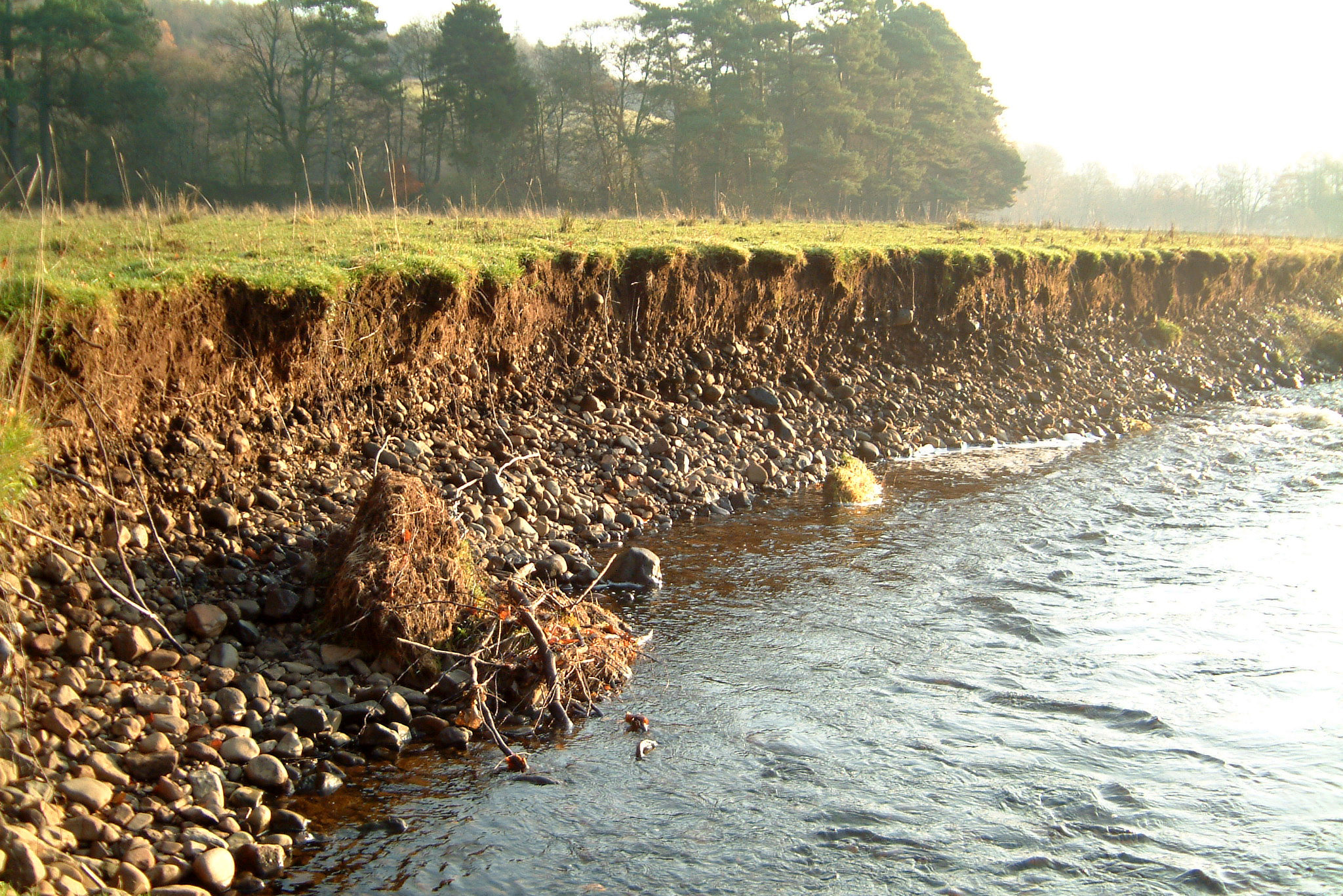
Alluvium undertook economic evaluation of sediment offsets, supporting investment decisions that balance water quality, sediment reduction and cost-effectiveness.
View project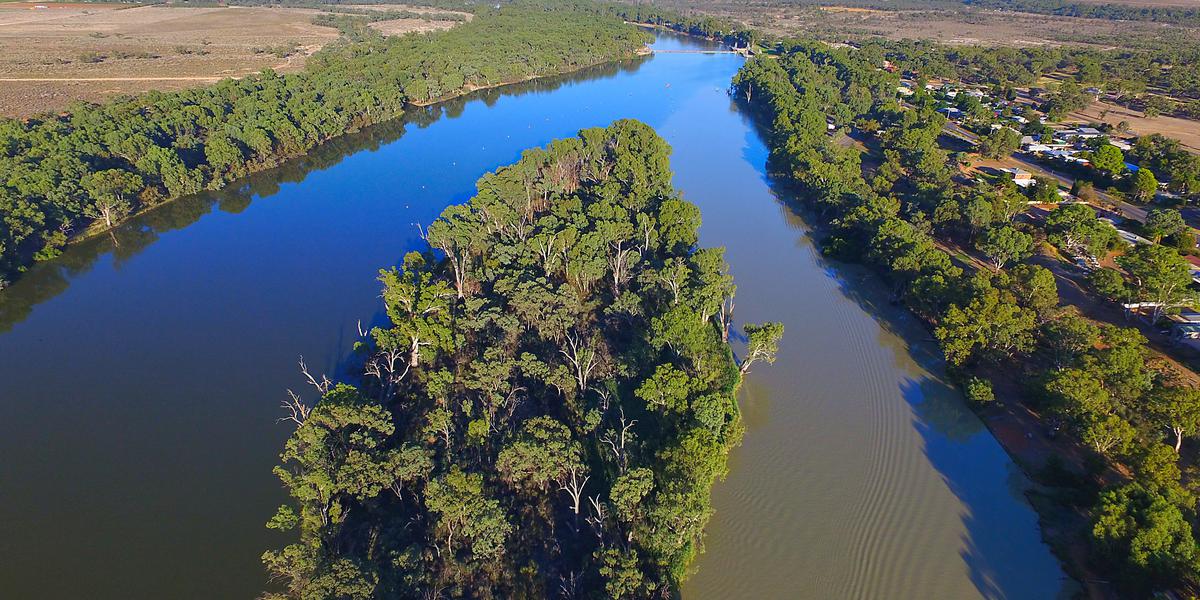
Alluvium supported governments to define Basin science needs, improve governance, link science programs to Basin Plan outcomes and provide a clearer platform for future decision-making.
View project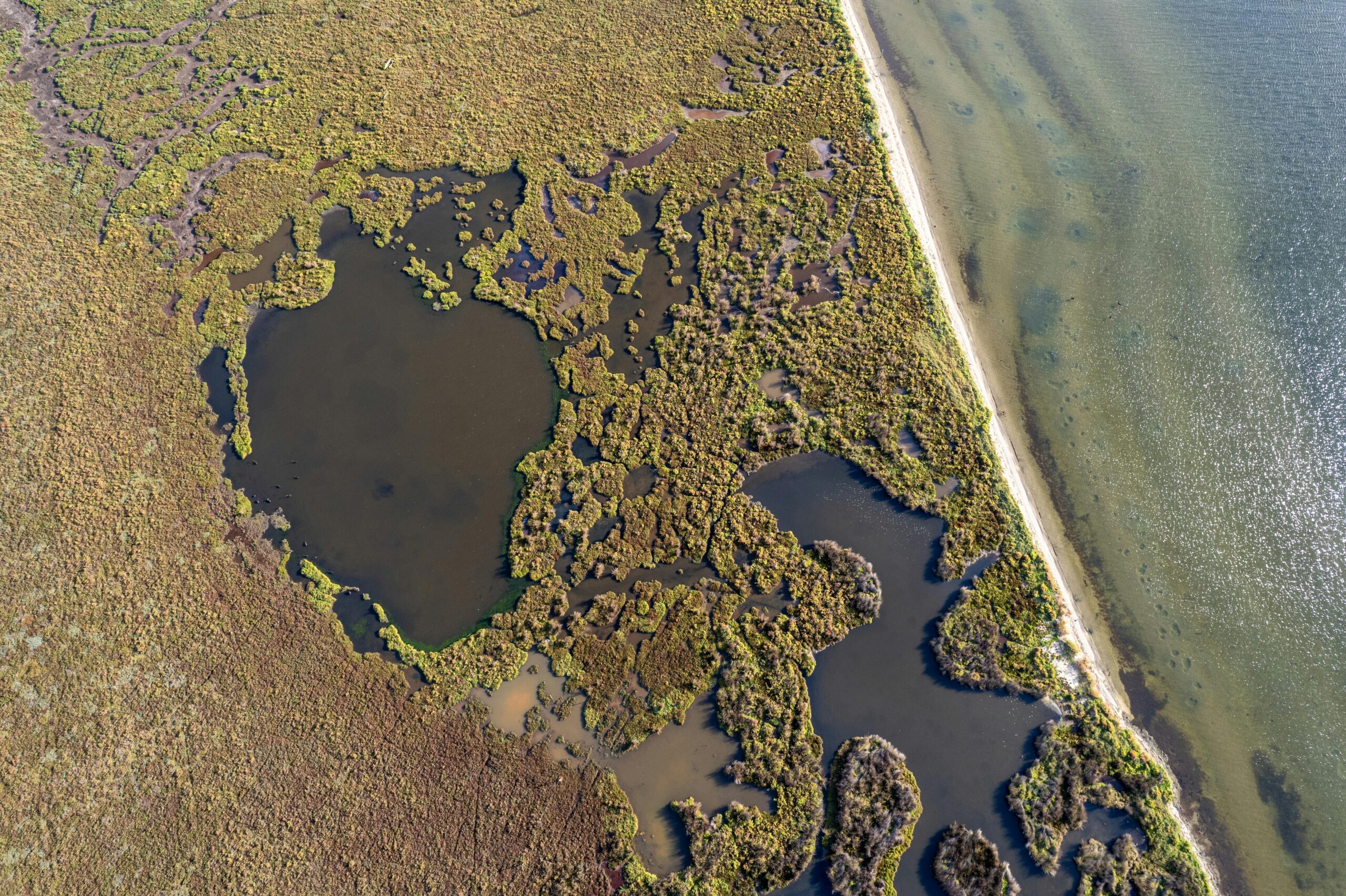
Alluvium assessed around 160 wetlands for Melbourne Water, producing ecological, hydrological and spatial data to support strategic wetland planning, conservation and management across diverse sites.
View project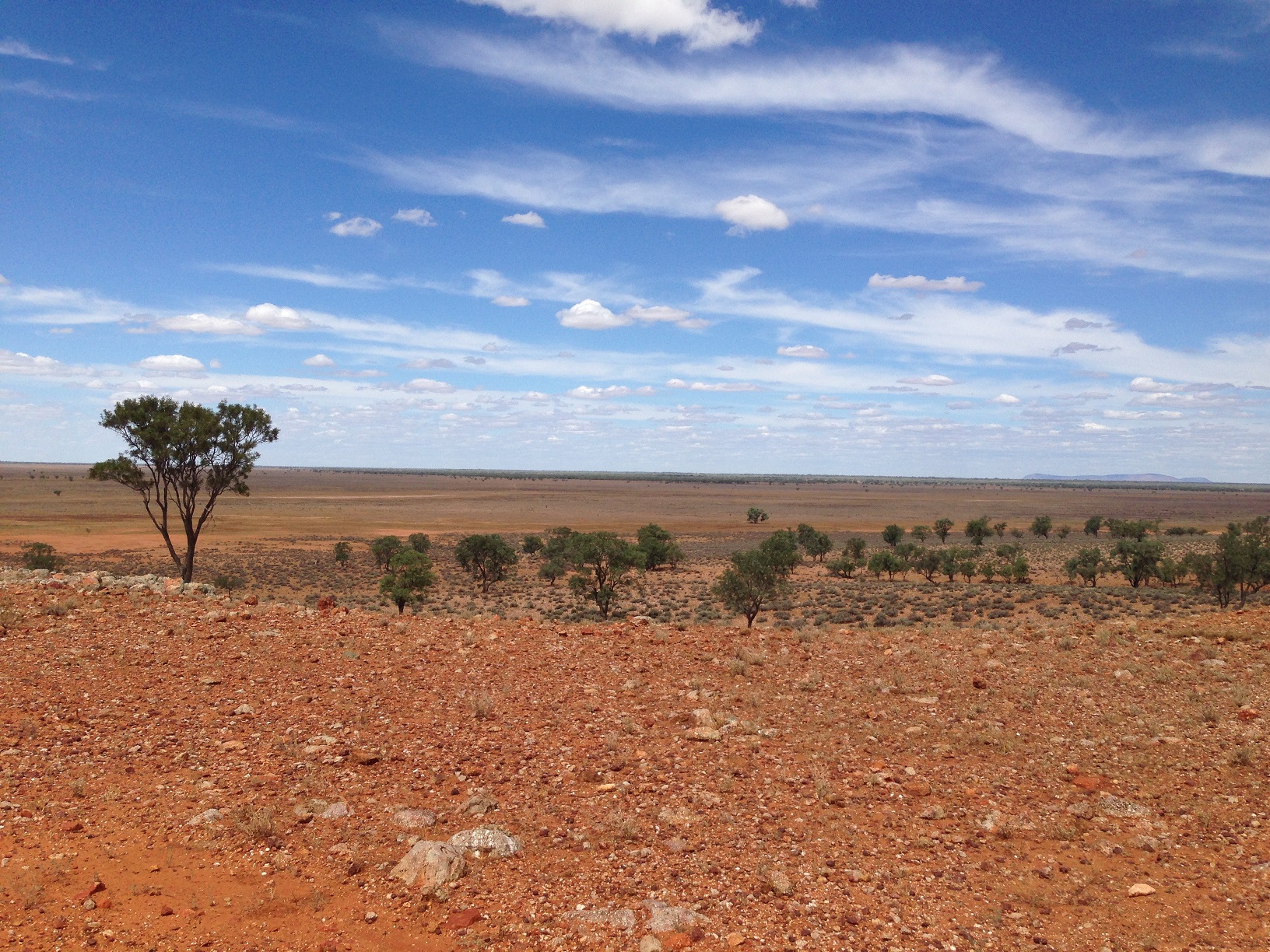
Alluvium contributed to water infrastructure planning at Toorale, supporting environmental water delivery, wetland outcomes and practical management of a complex river-floodplain landscape.
View project
Alluvium helped transform an 800 m piped section of Blind Creek into a naturalised urban waterway, restoring ecological function, improving recreation and accessibility, and creating a more climate-resilient community landscape.
View project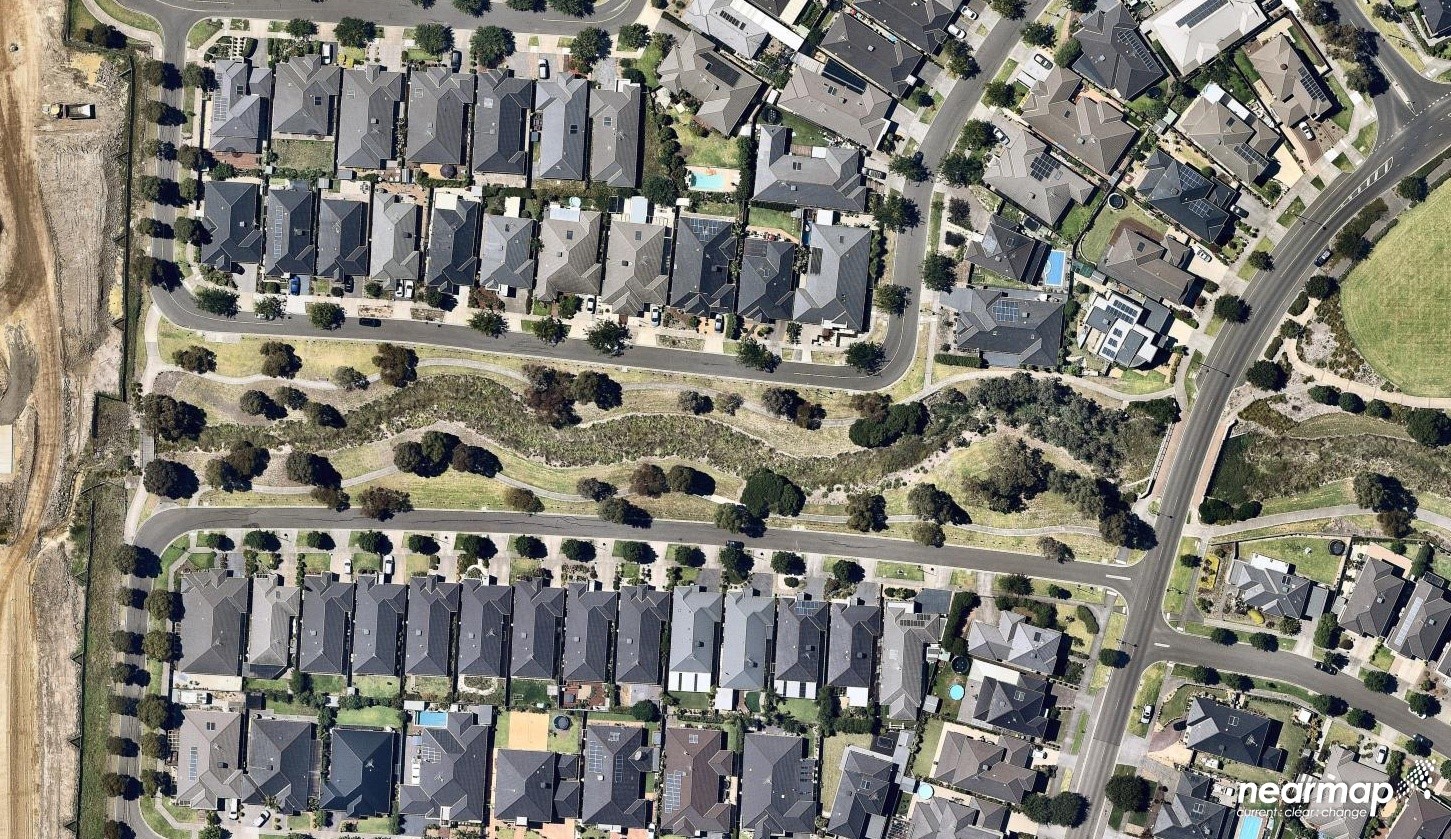
Developed Melbourne Water’s authoritative design resource for constructed waterways, bringing global best practice into practical guidance for safe, maintainable and multifunctional blue-green infrastructure.
View project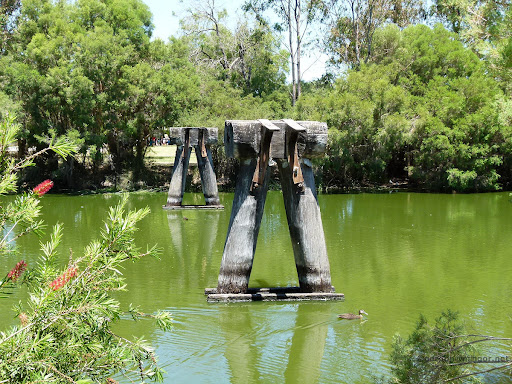
Developed a Living Streams concept for one of Western Australia’s most eutrophied waterways, using ecological processes, wetland design and riverbank modification to reduce algal blooms and improve river health.
View project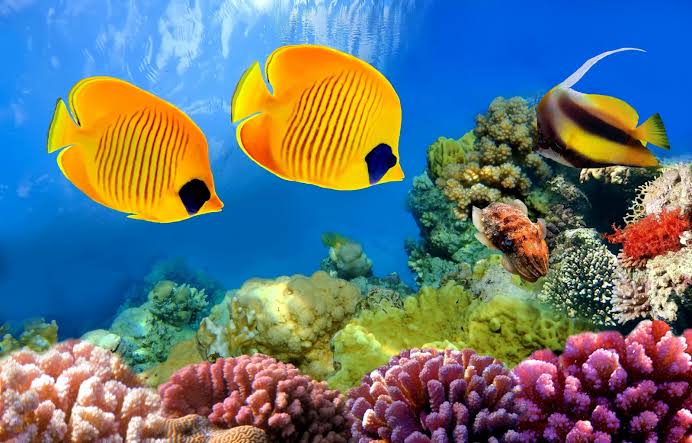
Combined catchment modelling and economics to identify cost-effective pathways for achieving Reef 2050 sediment and nutrient targets, giving government a stronger basis for prioritising major water-quality investment.
View project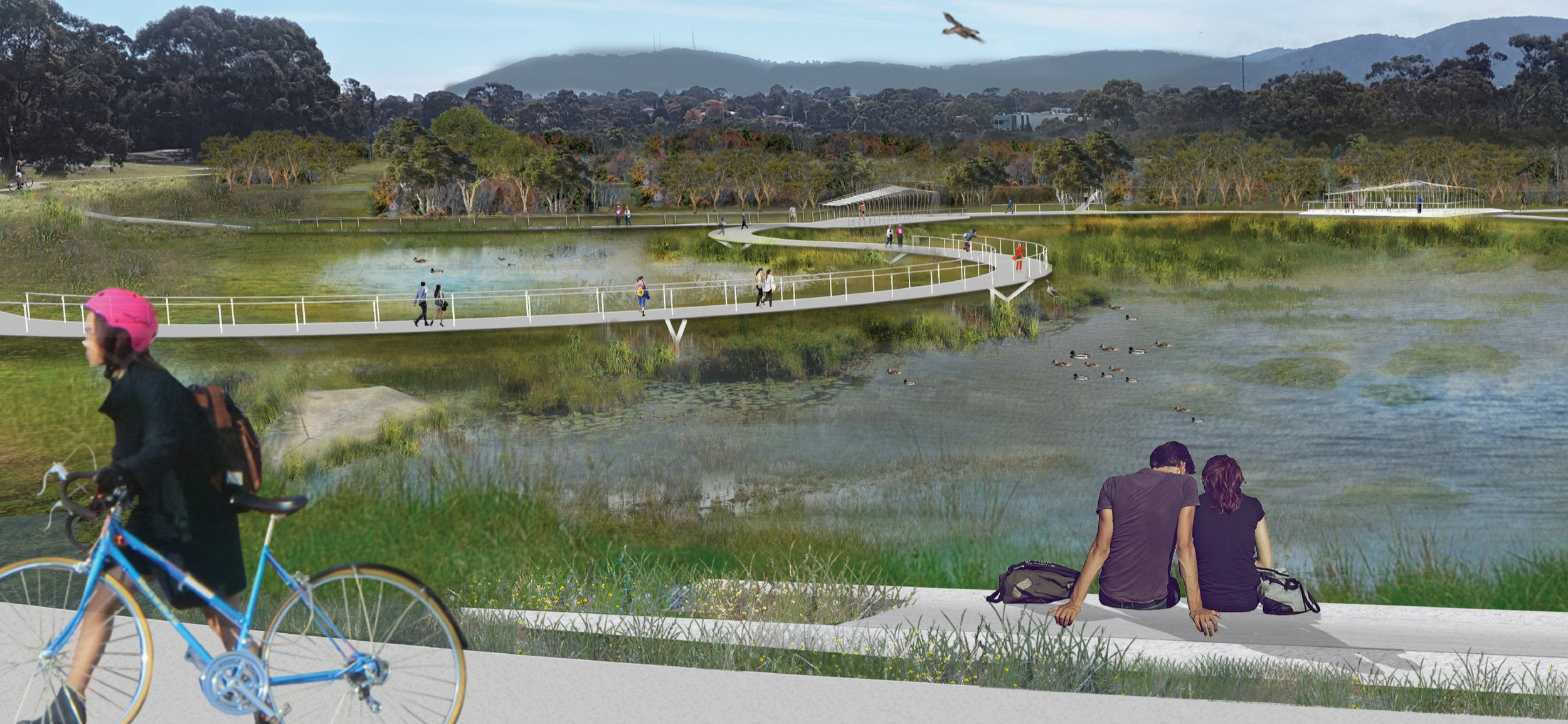
Naturalised creeks, wetlands, detention and stormwater harvesting designed to improve water quality, biodiversity, flood management and community amenity.
View project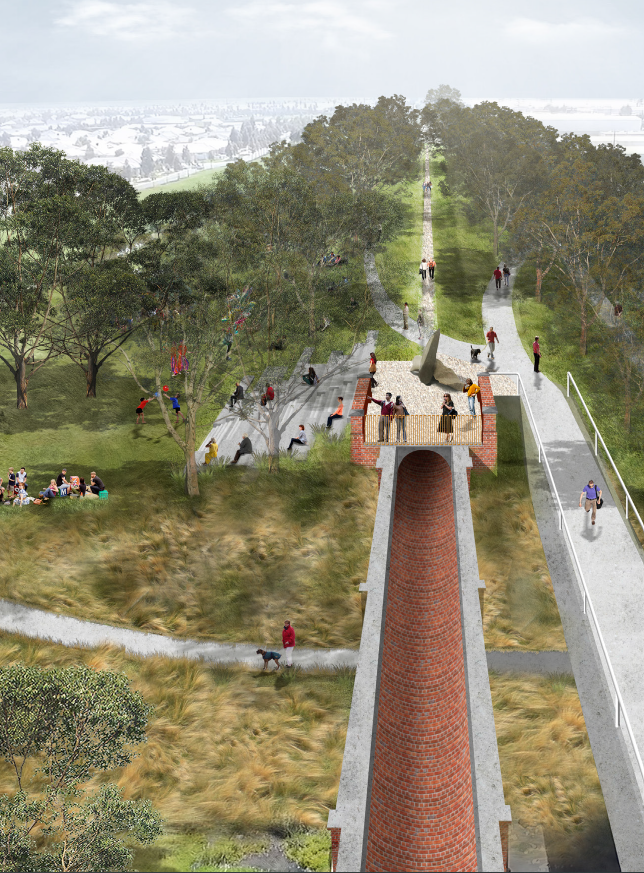
Planning for a major linear green corridor that combines stormwater harvesting, urban cooling, active transport, recreation and stronger community connections.
View project
A review of water sensitive urban design requirements to identify opportunities for water savings, improved stormwater outcomes and practical implementation.
View project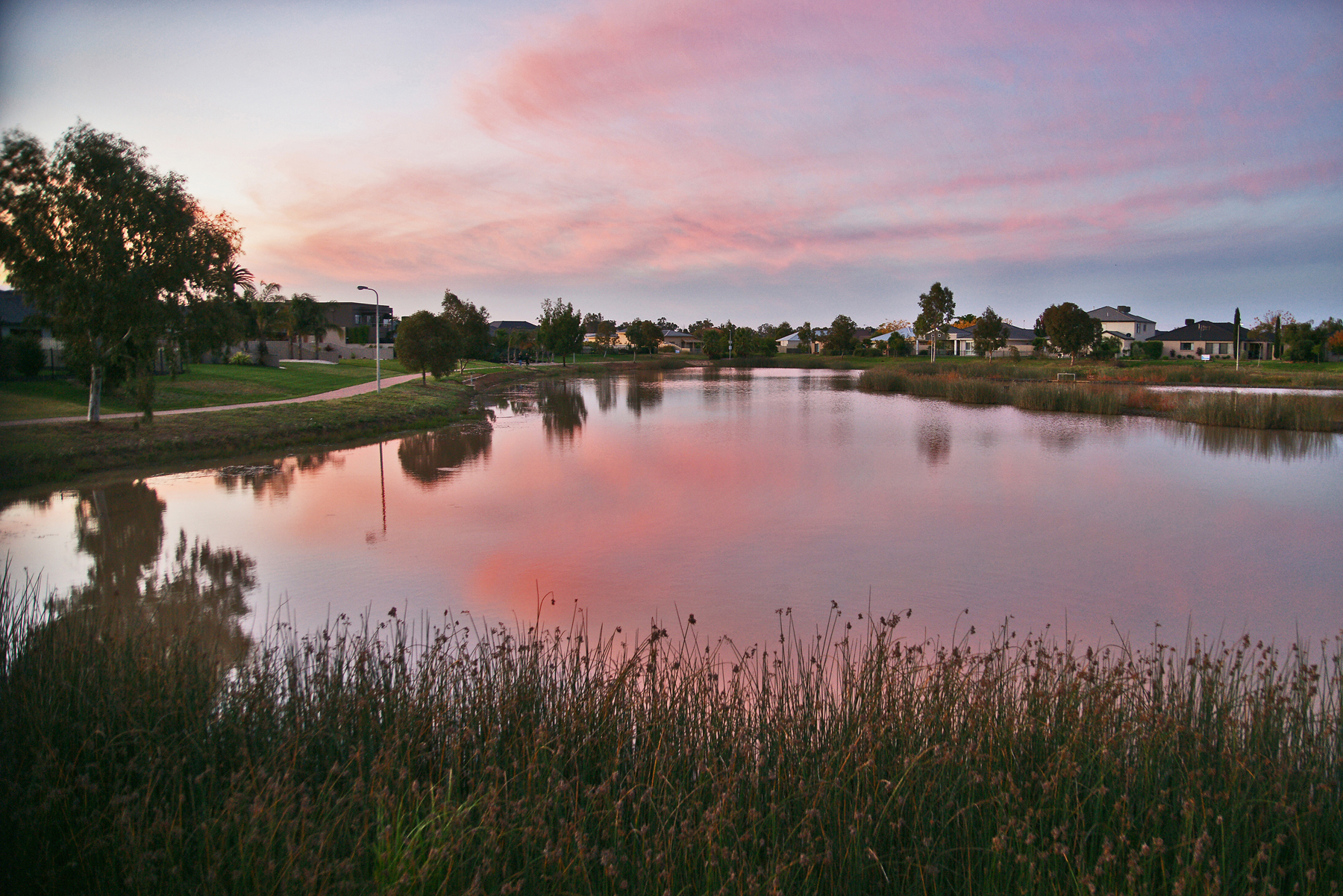
An integrated water management and drainage strategy for a major growth area, linking urban development, flood management and multi-functional water infrastructure.
View project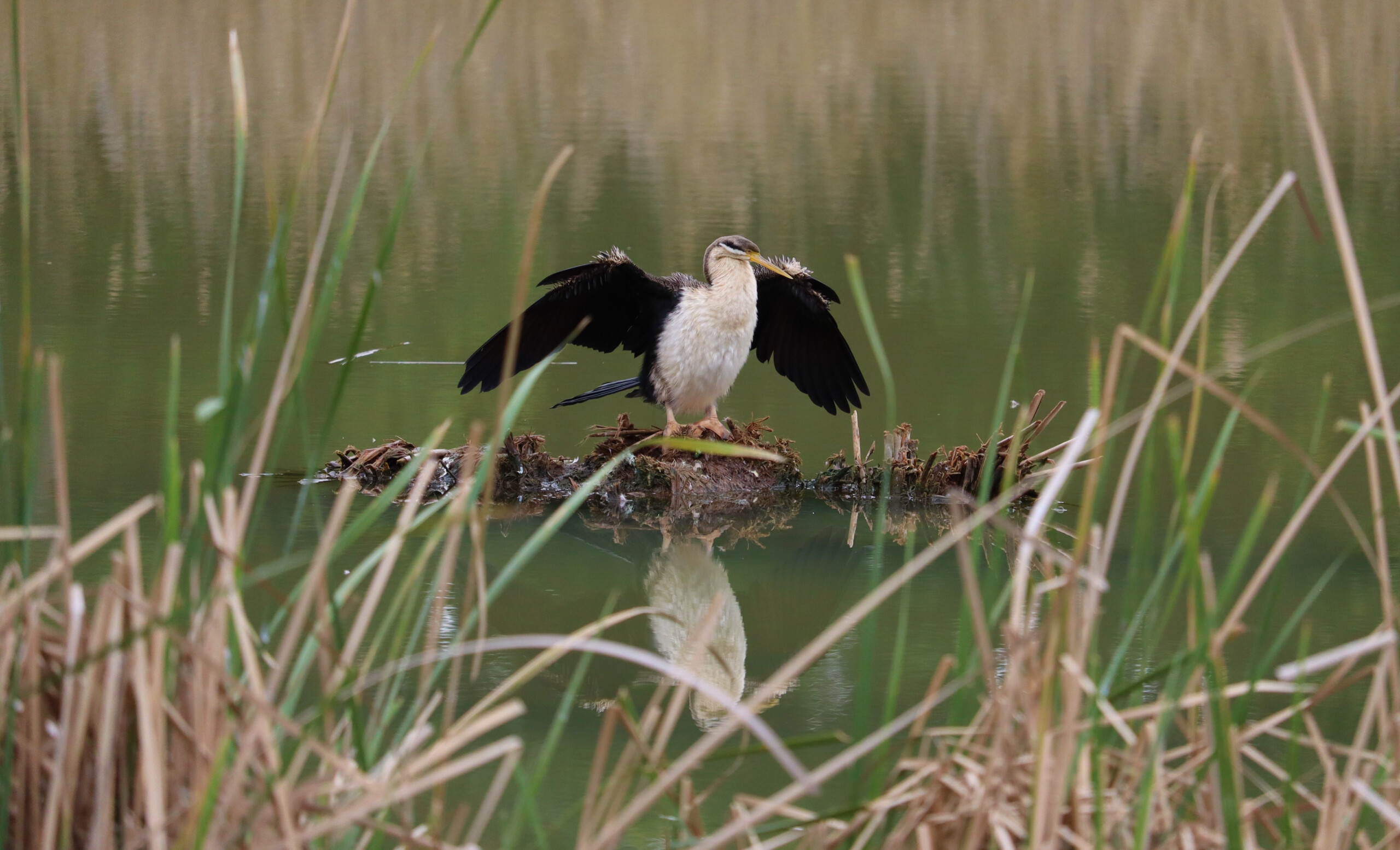
Functional wetland and waterway design integrating stormwater treatment, flood conveyance, ecological values and habitat protection within a developing urban precinct.
View project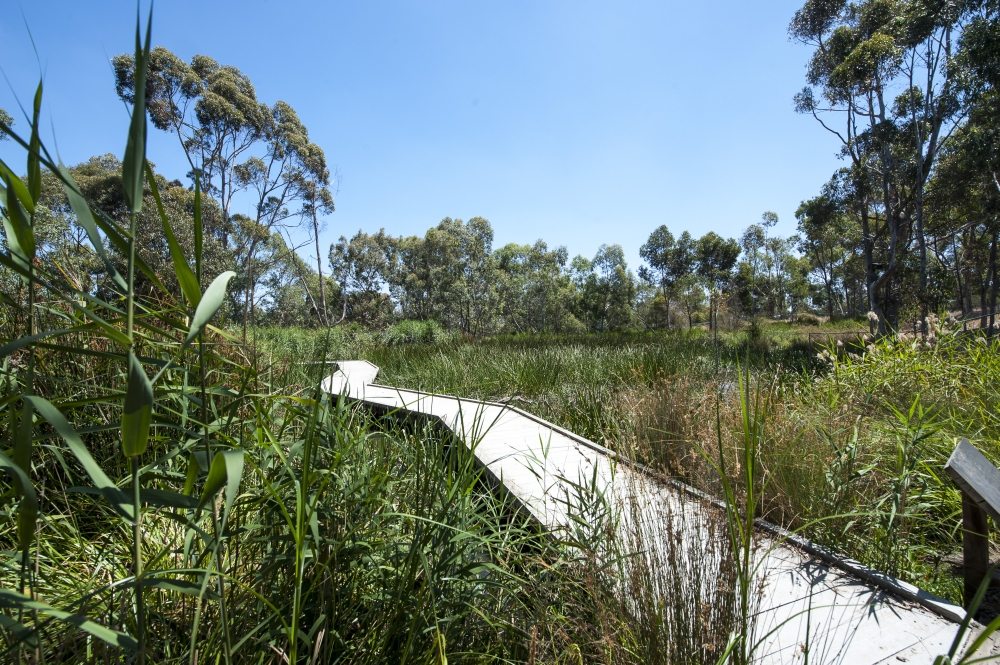
An integrated water management plan testing wetlands, WSUD, infiltration, stormwater harvesting and rainwater options for a new growth area.
View project
Exploring how blue green infrastructure can support climate adaptation and mitigation while improving the performance and liveability of urban places.
View project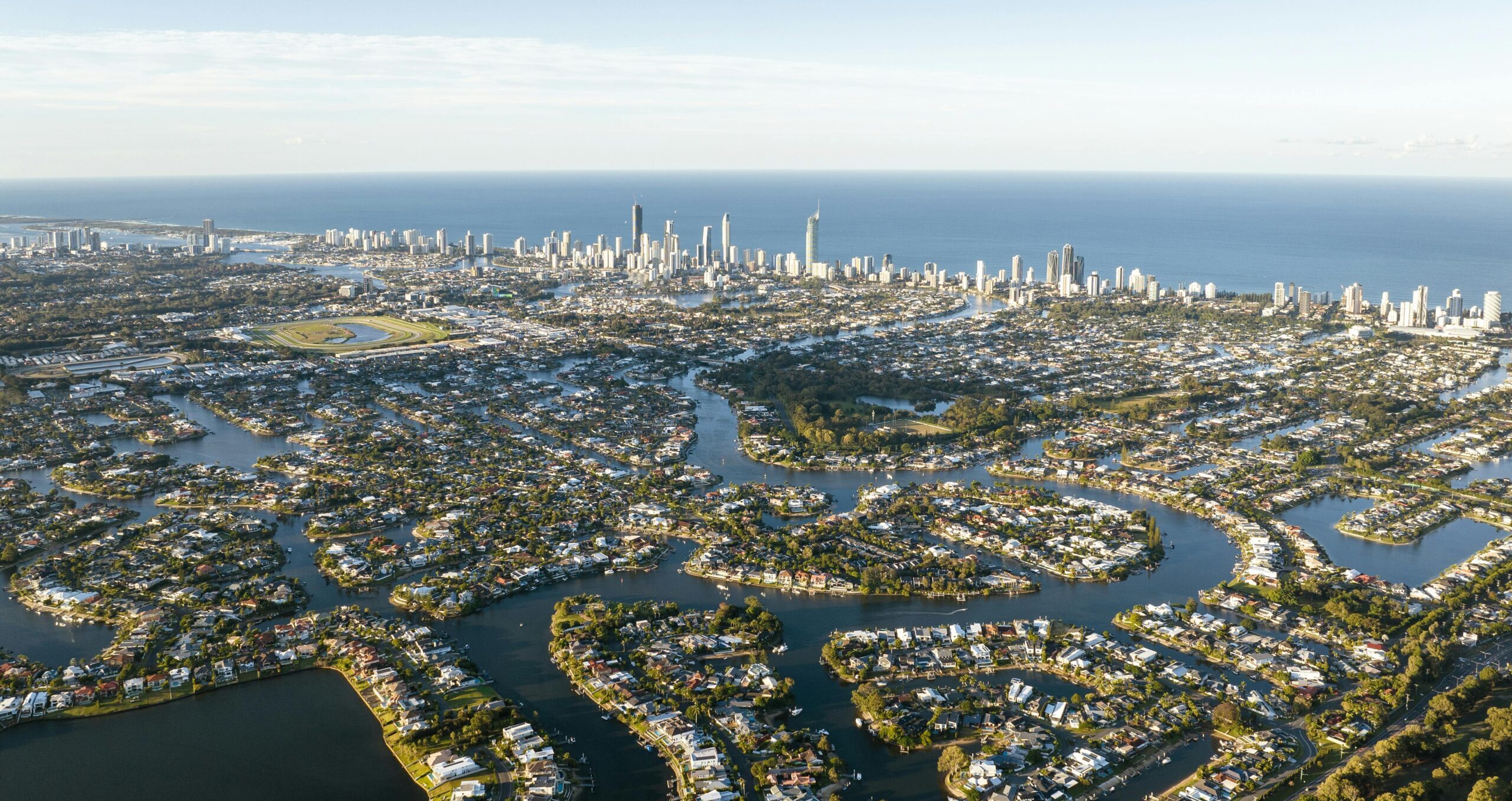
Assessment of future water supply needs across Queensland catchments, integrating climate risk, stakeholder needs and strategic regional water planning.
View project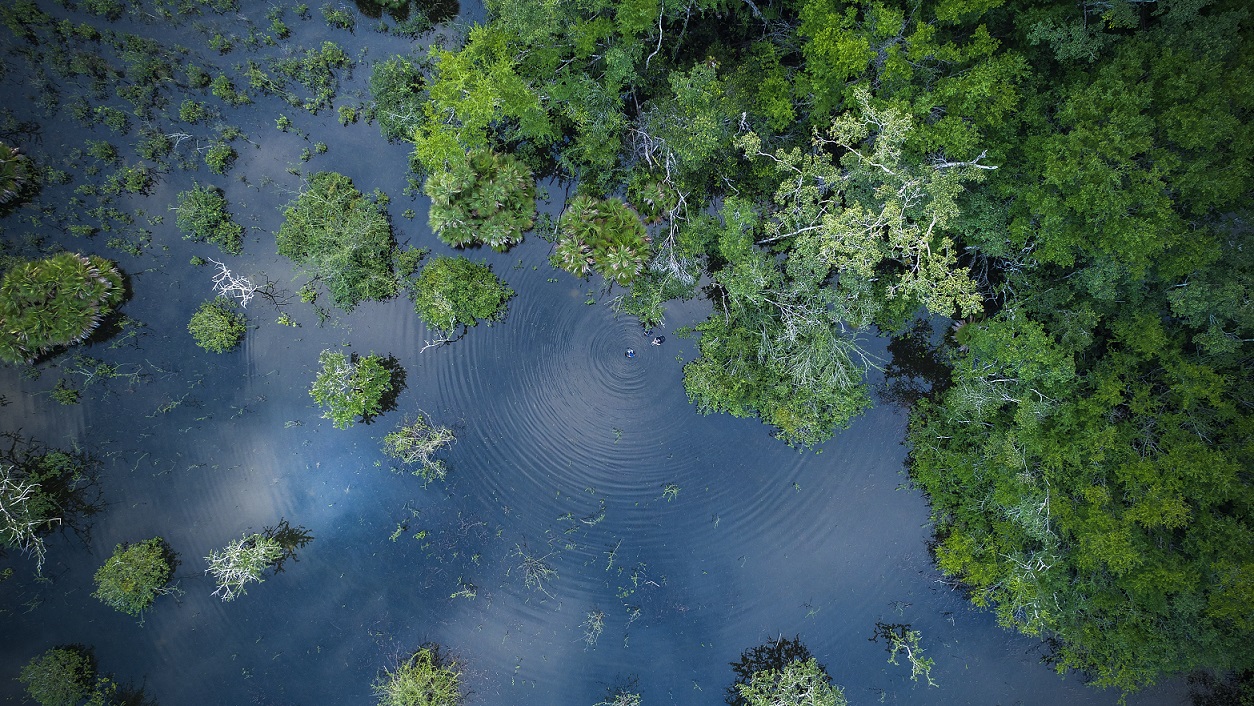
Catchment scale hydrological assessment and decision support to understand the environmental and water availability implications of changes to harvestable rights.
View project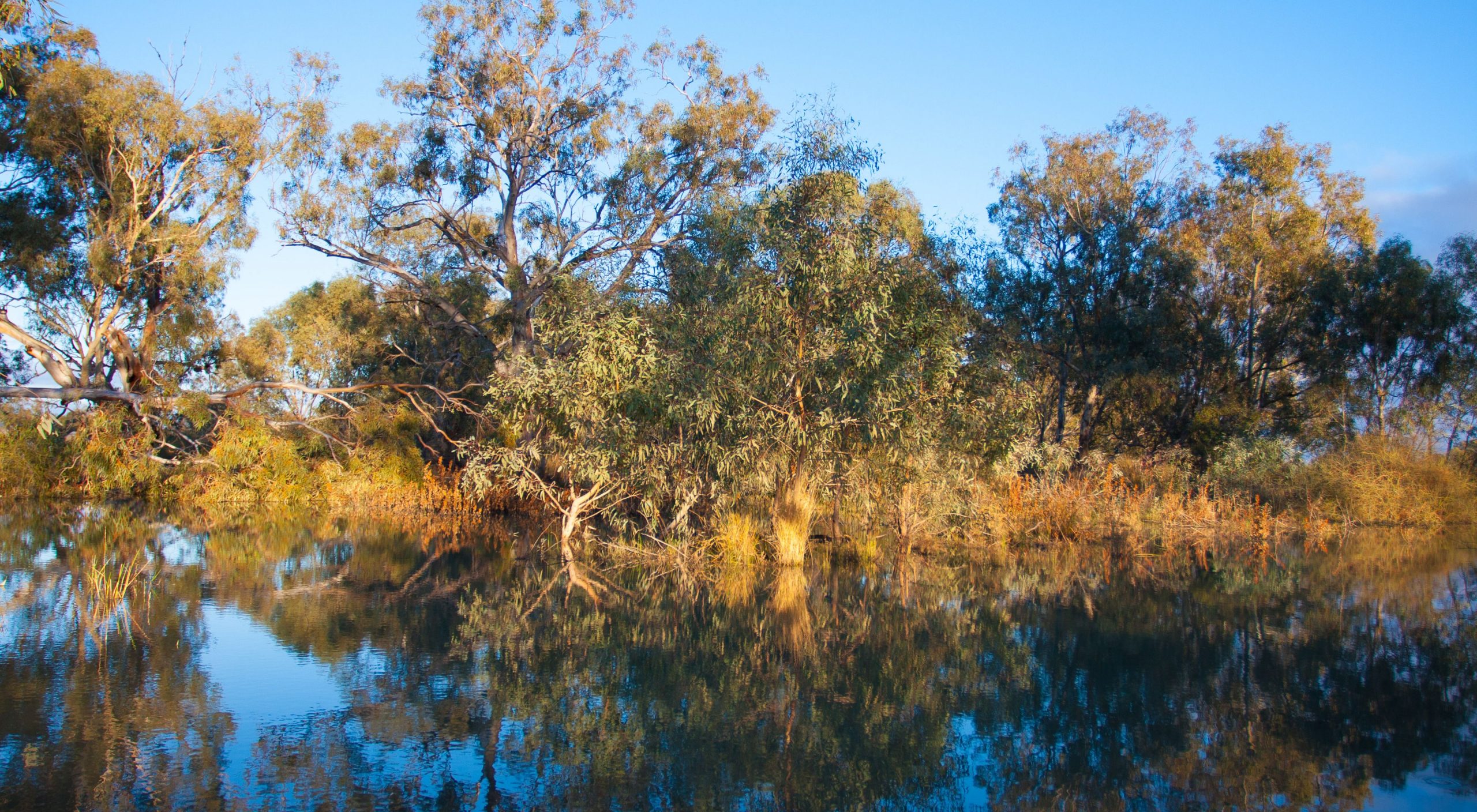
Ecohydrology, hydraulic modelling and infrastructure design to restore environmental watering to high-value wetlands and floodplain ecosystems.
View project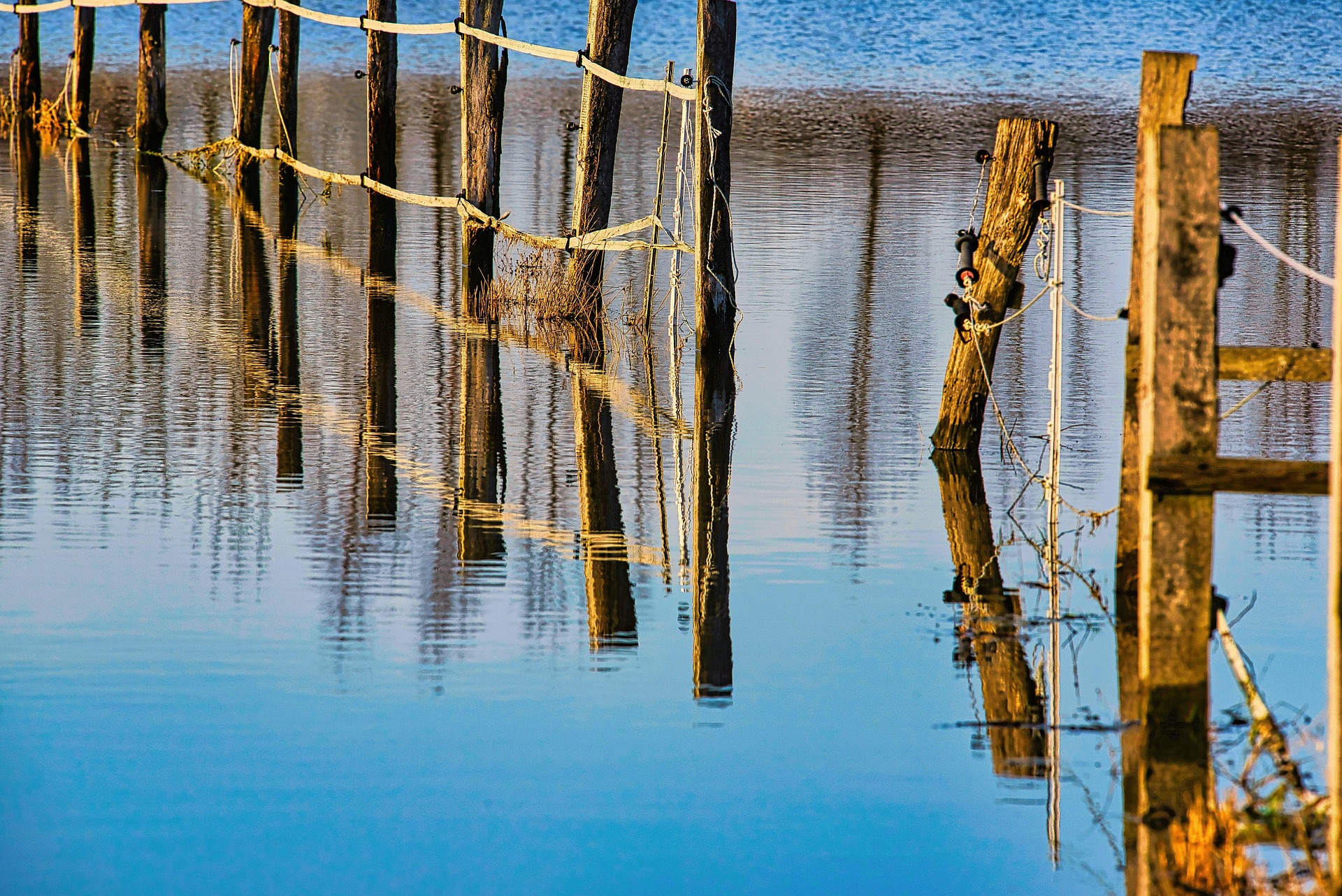
River basin modelling, planning tools and capacity building to strengthen integrated water resources and flood management in Thailand.
View project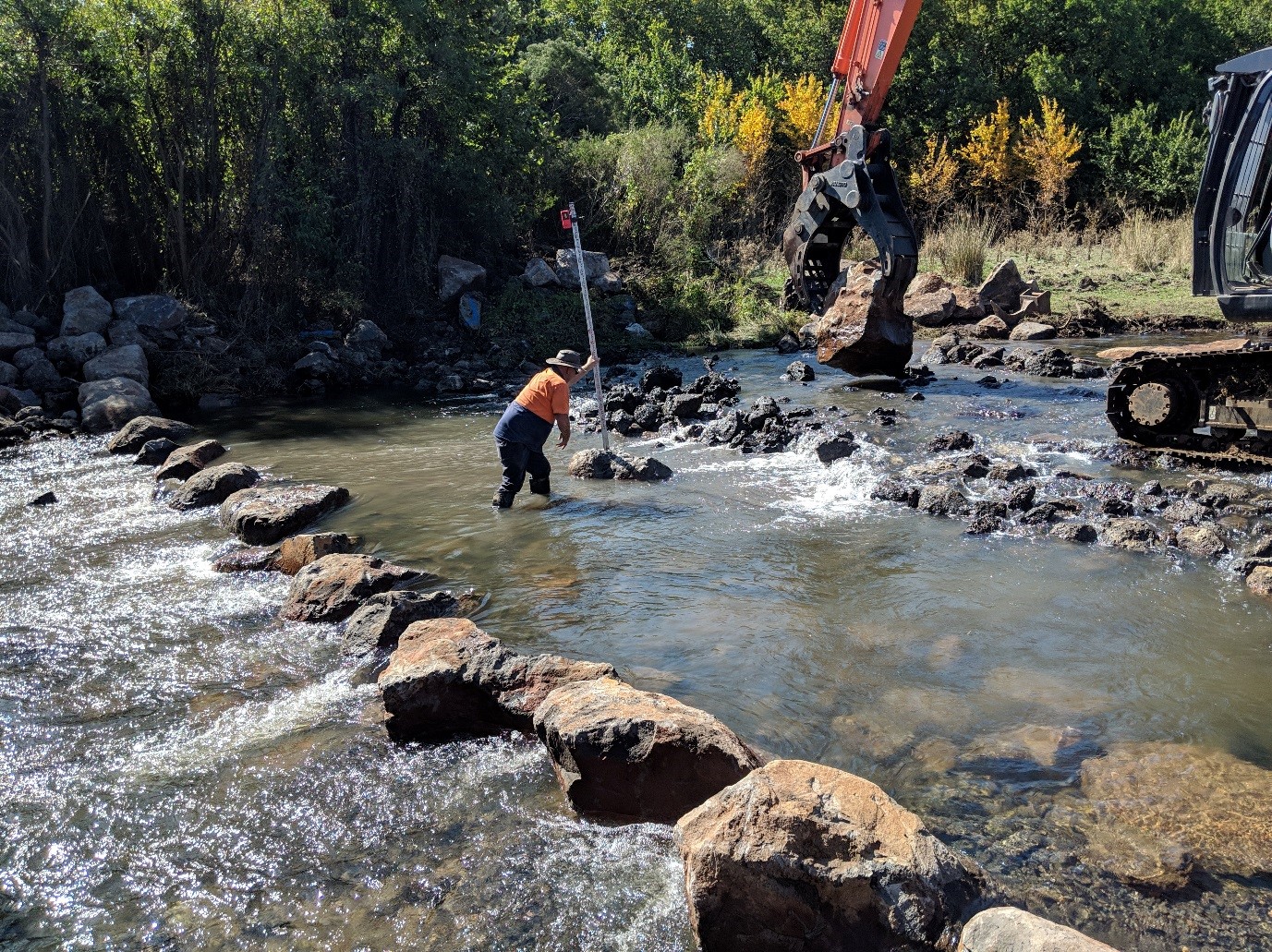
Design and implementation of rock-ramp fishways to improve fish passage while maintaining the hydraulic and monitoring functions of existing weirs.
View project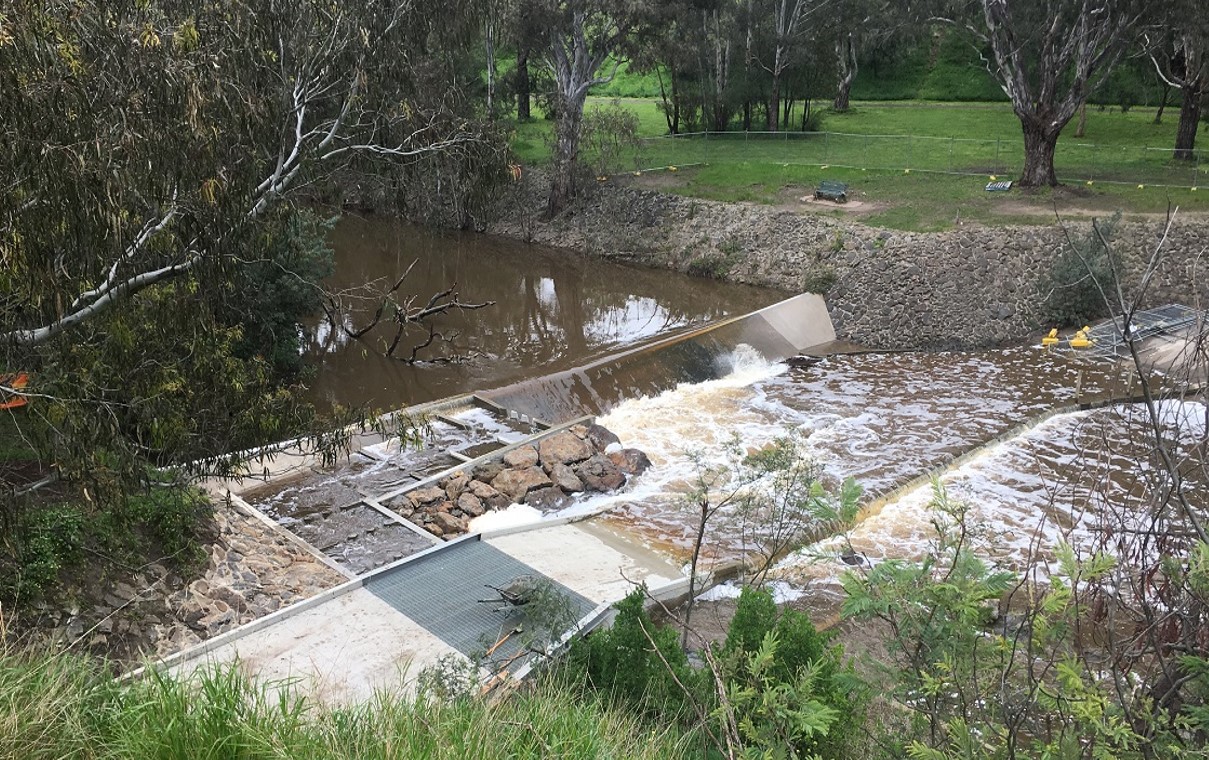
Detailed design and hydraulic modelling of compact cone fishways to improve aquatic connectivity on the lower Maribyrnong River.
View project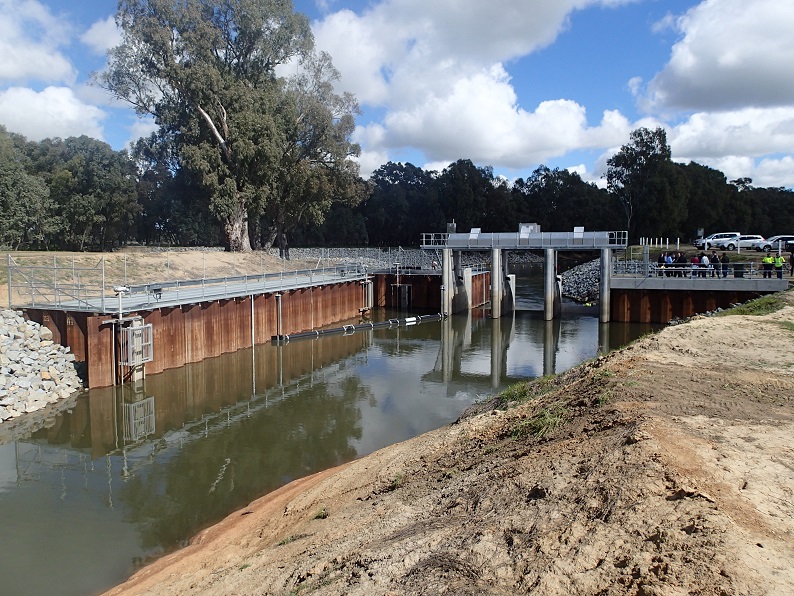
Water regulation and fishway design to improve environmental flows, fish movement and habitat in the Old Man Creek anabranch of the Murrumbidgee River.
View project
Supporting national methods and guidance for water resources assessment, classification and river restoration under Vietnam’s water resources reforms.
View project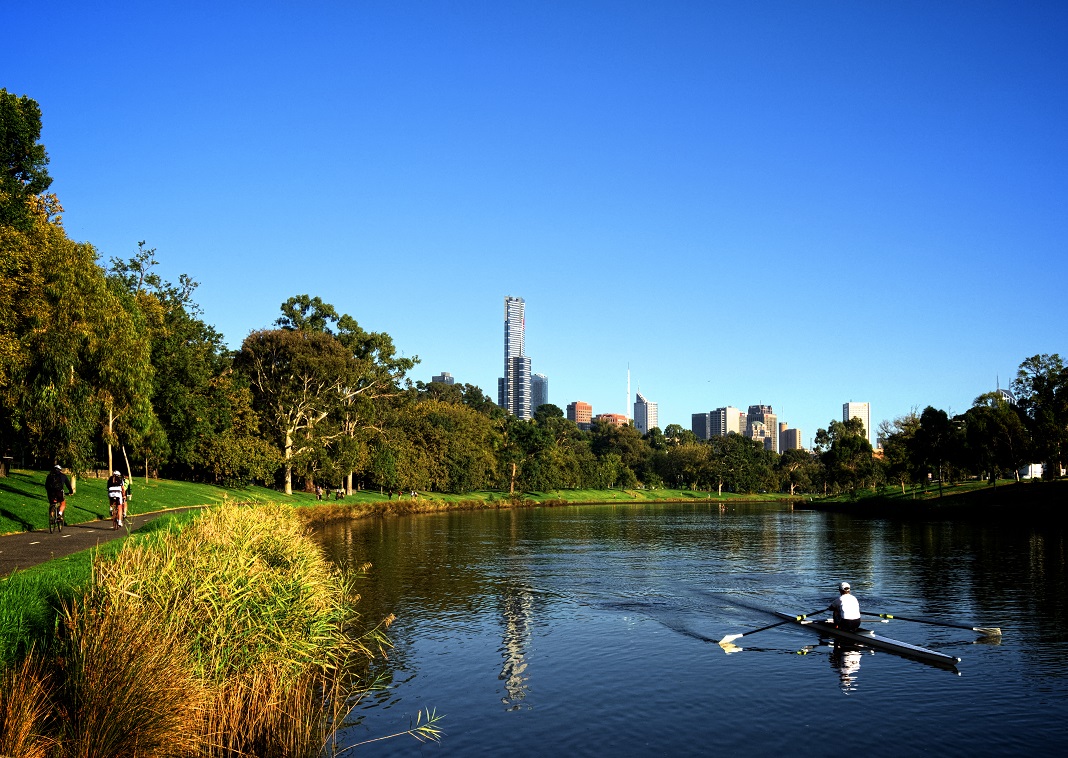
Waterway science conceptual models that linked ecosystem values, condition and management actions to inform Melbourne Water’s Healthy Waterways Strategy.
View project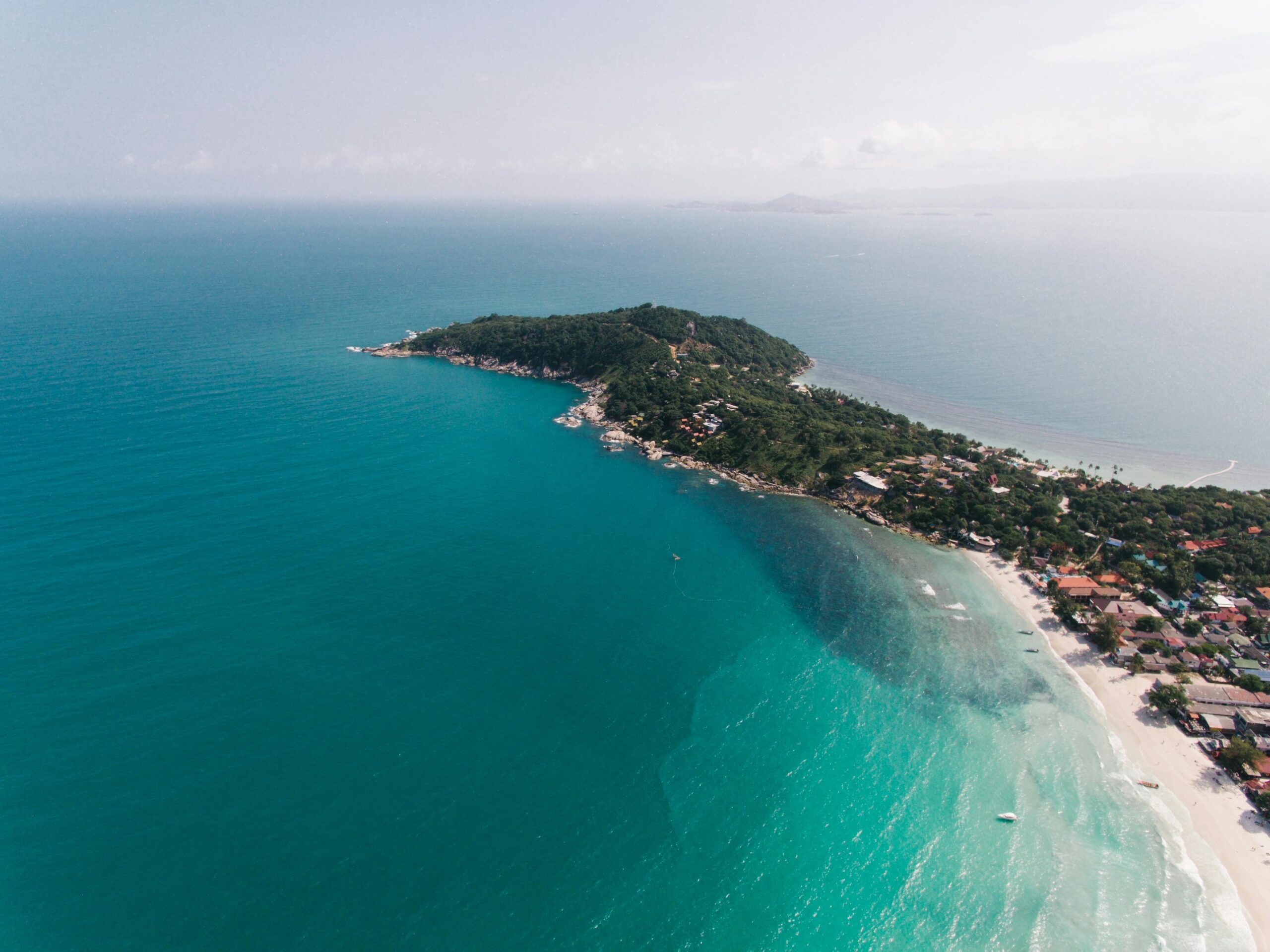
Explores how restoring river connectivity, sediment movement and natural processes could reshape the future of the Mekong while maintaining regional energy security.
Read thought piece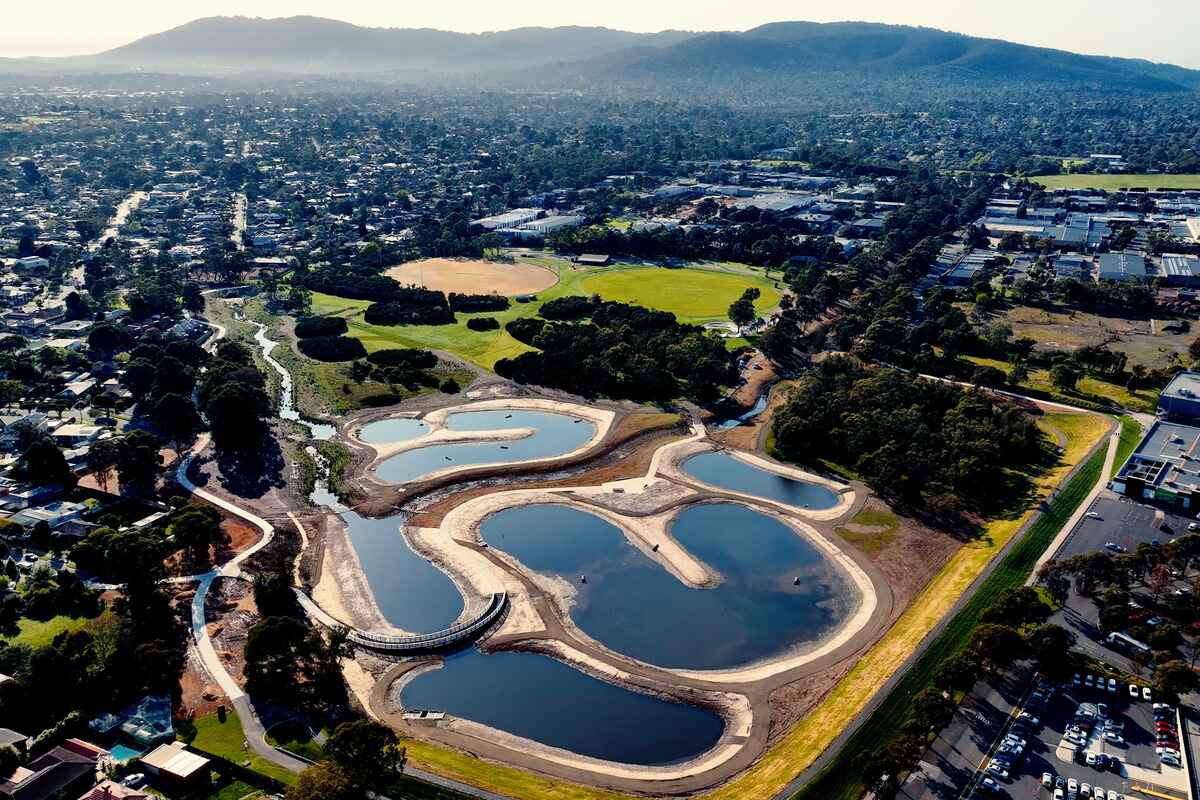
Shows how contemporary geomorphology, ecology, hydrology and social science are being translated into practical waterway guidelines and on-ground rehabilitation.
Read thought piece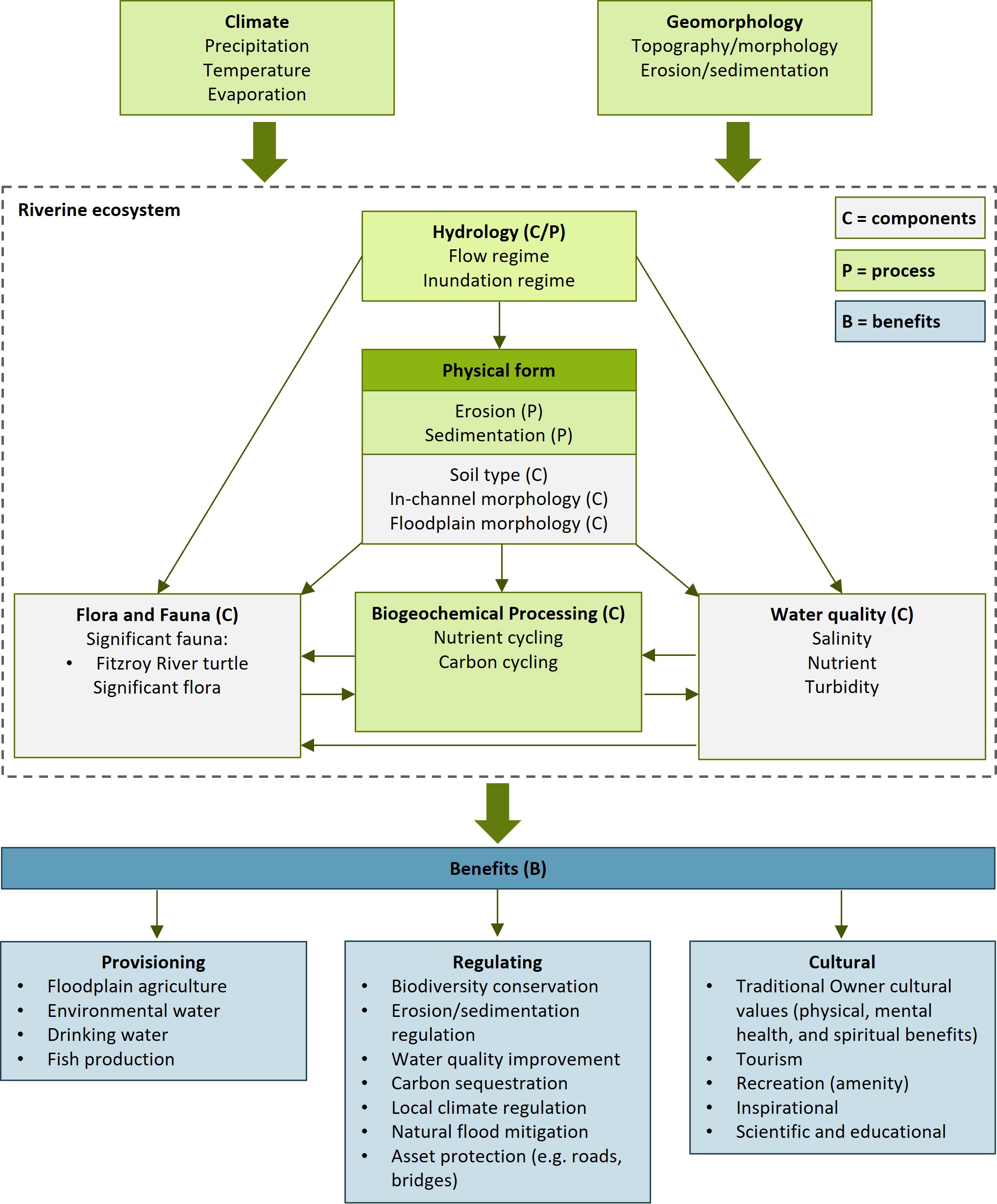
Examines how waterway investment can deliver biodiversity, water quality, flood mitigation, carbon, recreation and economic benefits beyond a single project objective.
Read thought piece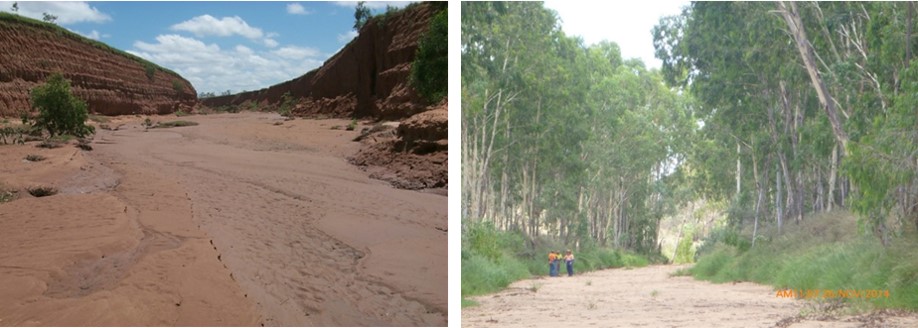
Explores Alluvium’s approach to river restoration: understanding natural river processes and combining science, engineering and ecology to create resilient interventions.
Read thought piece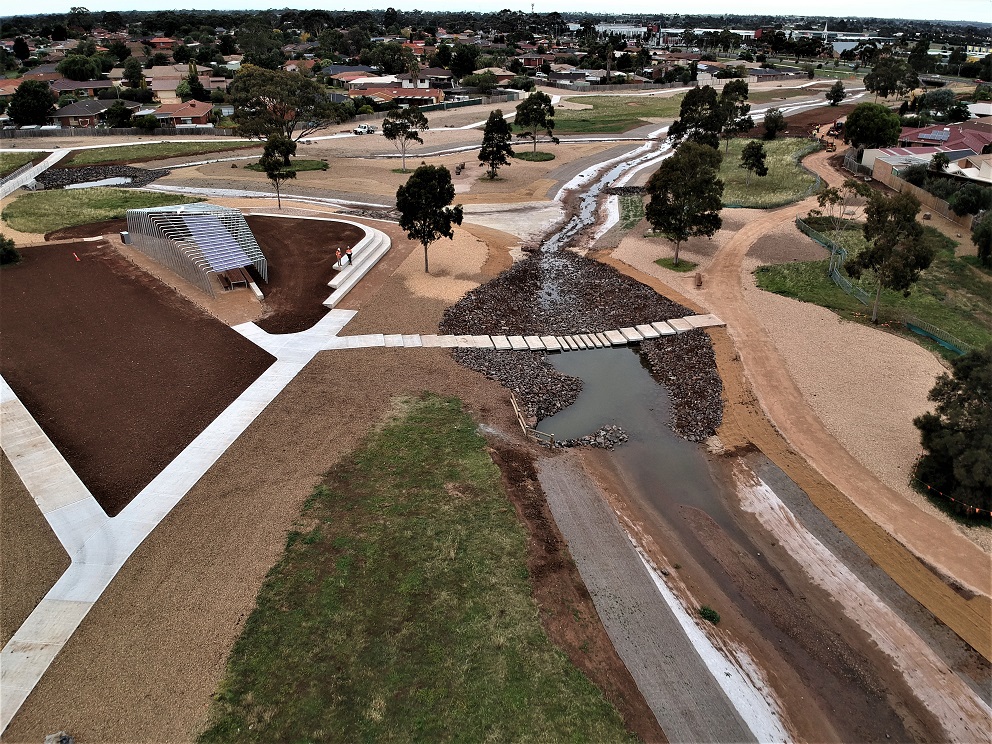
Looks at opportunities to rethink urban waterways and reconnect river systems, communities and natural processes through more integrated approaches to restoration.
Read thought piece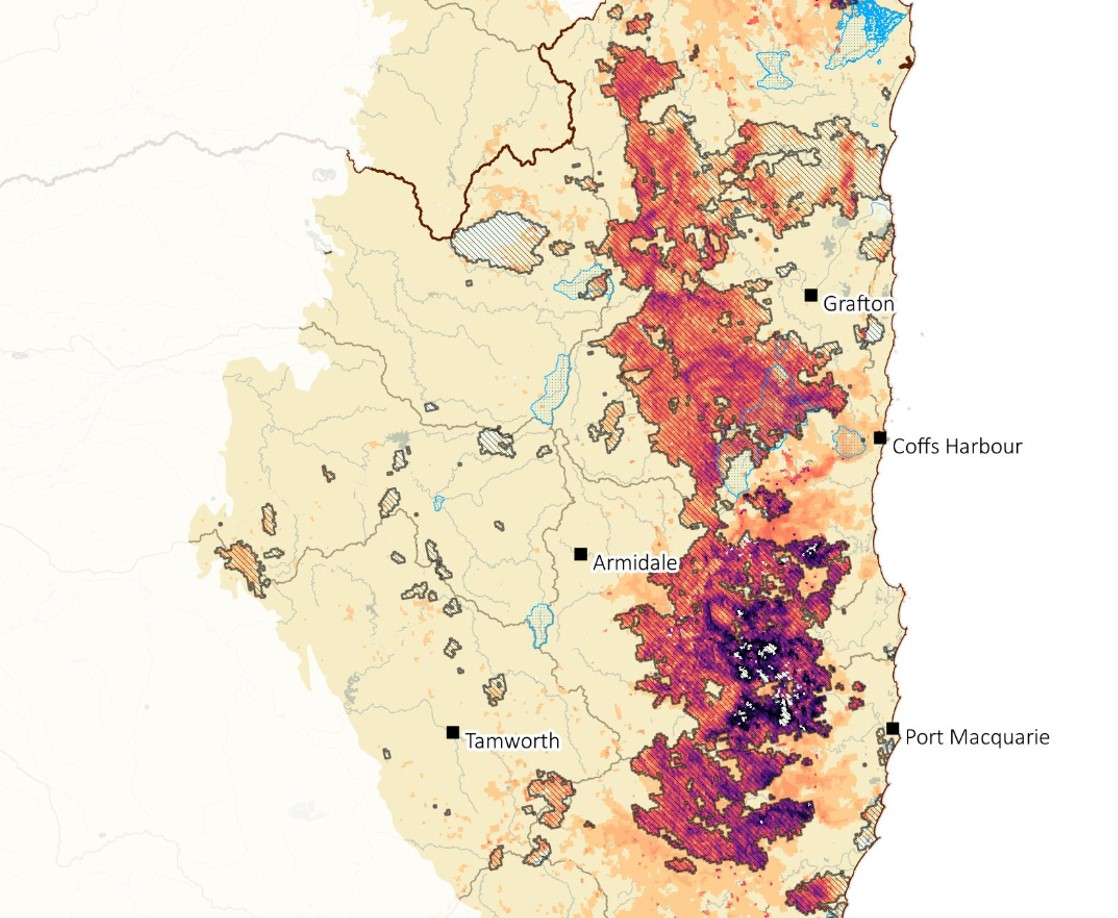
Considers how fire severity and post-fire erosion affect rivers and catchments, and how mapping and risk assessment can help target recovery and management responses.
Read thought pieceOur purpose is to make a difference for nature and communities. We are driven to create positive impact.
The Alluvium Group was founded to bridge the gap between science, policy and on-ground implementation. We believe the pressures of climate change, biodiversity loss and more frequent disasters — and their impacts on communities — are among the defining challenges of our time. Our role is to bring informed, creative and practical advice to those connected and difficult problems.
The Group brings together five specialist organisations that share a collective vision, strategy and commitment to client service. Our model is built on a simple idea: technical depth and excellence better serve our clients and the industry. Each business retains its own leadership, technical focus and capacity to make decisions, while working across the Group when a challenge calls for a more integrated response.

Together, the businesses span science, engineering and strategy for catchments, rivers and coasts; economics, policy and strategy for climate-resilient and sustainable futures; social landscapes; ecological advice, strategy and design; and strategy, planning and analysis for a just energy transition.
For someone building a planning practice, that breadth creates an unusual platform. Planning can sit at the point where these disciplines come together — connecting technical evidence, community and economic considerations with the decisions that determine how places develop, how infrastructure is delivered and how landscapes are managed.
Just as importantly, the Group is designed to give people room to lead. We value independent thinking, creativity and collaboration, and we deliberately create space for people to develop as leaders rather than placing layers between them and the decisions that shape the business.
We invest our time, energy and profit back into the things that matter most: growing the expertise of our people, advancing the science that underpins our work, and building an organisation where talented people can do the best work of their careers.
A certified B Corp, we only work on projects that deliver a net environmental or social benefit. Our values determine what we do and don’t take on.
Since 2018 our Research and Insights Program has funded over 60 staff-led projects, drawing on lessons from 6,000+ consulting projects. Our work is grounded in the best available science, not established practice from years ago.
Our Fellowship Program gives our most research-connected leaders a two-year focus to build partnerships, publish insights and drive change across the sector.
Flexible work embedded since 2006. As an employee-owned business we prioritise job security, transparency and wellbeing, choosing employment stability over short-term profit.
Consistently ranked in Australia’s Best Workplaces, reaching #10 in 2022. Named among Best Workplaces for Women for consecutive years. Prosple 2026 Top 100 Graduate Employers.
Our affiliated not-for-profit directs two decades of knowledge toward the broader public interest, influencing national debate on complex challenges facing society and the environment.
Alluvium began in Melbourne in 2006 and has grown into a distributed environmental group with a presence across Australia, Aotearoa New Zealand, India and South-East Asia.
Our expansion has never been about simply putting pins on a map. We have grown by following our people, our clients and the environmental challenges where our expertise can make a difference.
Today, our geographic reach combines strong local knowledge and relationships with access to expertise from across the Group, giving our people the opportunity to build meaningful careers locally while contributing to some of the most important environmental challenges across the Asia-Pacific region.

South Australia presents some fascinating water challenges, from urban waterways and stormwater systems to rivers, wetlands and coastlines. We’re looking for an experienced engineer who wants to help shape how we respond to them.
Based in Adelaide, you’ll join our growing South Australian team and work closely with Alluvium’s waterway and urban water specialists across Australia. Your focus will be on delivering and growing our work in South Australia, working with state and local government, water utilities, landscape boards and private sector clients. You’ll also have opportunities to contribute to significant projects elsewhere in Australia and internationally.
The work is deliberately broad. Our engineering capability spans systems thinking, planning, design and implementation, bringing together waterway engineering, natural infrastructure and integrated water management. You might be helping rethink an urban waterway, developing a stormwater strategy, designing natural infrastructure, restoring a river system or working through a complex water management problem where there isn’t an obvious answer.
You won’t do that work in isolation. Our projects bring together engineers, geomorphologists, ecologists, scientists, urban water strategists, economists, social scientists, catchment modellers and planners. That breadth means we can look beyond a conventional engineering response and develop solutions that work for the water system, the landscape and the communities around it.
We’re looking for a mid career engineer, typically with 6 to 12 years’ experience, who is ready for greater responsibility and influence. Someone who enjoys solving difficult problems, working directly with clients and collaborating across disciplines, and who wants to play a meaningful role in building our South Australian practice rather than simply filling a position within it.
Alluvium is intentionally non hierarchical. You’ll have genuine autonomy, responsibility and room to shape projects, client relationships and the direction of the business. At the same time, you’ll be supported by experienced practitioners across the Group, proactive mentoring and real opportunities to continue developing technically and professionally.
You’ll take a leading role in multidisciplinary waterway and stormwater projects, working from early investigation and planning through design and delivery.
Your work will include stormwater management and modelling, waterway and natural infrastructure design, site investigations, technical documentation and construction support. You’ll help develop practical, innovative solutions that respond to environmental, community and engineering needs.
You’ll also work directly with clients and stakeholders, support and mentor junior staff, and help grow Alluvium’s South Australian practice.
This is an opportunity to do excellent engineering, work on problems that matter and help shape the next generation of waterway and stormwater management in South Australia.
You are motivated by strong engineering and by creating better environmental outcomes for waterways, landscapes and communities.
You have a strong understanding of South Australia’s water challenges and ideas about how waterway, catchment and urban water management can be improved.
You can assimilate complex information, think strategically and apply sound engineering judgement to real world problems.
You are comfortable working across different projects and disciplines, collaborating with others while also taking responsibility for your own work.
We’re looking for an experienced professional with 6 or more years of relevant experience and a high quality undergraduate degree in Civil or Environmental Engineering.
You will bring practical capability across stormwater, waterways and integrated water management, with experience in hydrology and hydraulics and the confidence to contribute from investigation and modelling through planning and design.
You will be comfortable working with both natural and engineered water systems and using tools such as AutoCAD, 12d, HEC RAS, TUFLOW, MUSIC and GIS software as appropriate to the problem.
Just as importantly, you will be a good collaborator and communicator. You can work effectively within a multidisciplinary team, operate autonomously when required, communicate clearly with clients and colleagues, and bring the attention to detail needed to produce high quality work.
You may not be looking for another job. But you might be ready for a different kind of opportunity.
You’ve built your career in a sophisticated business, worked on significant projects and probably have access to expertise across multiple disciplines and markets.
But scale can come with distance. The people making decisions about the business may be several levels removed from the people closest to the clients and the work. Strategy may be shaped elsewhere, and good ideas can sometimes have a long way to travel before they become action.
It can also become easy to feel like a number, measured by utilisation, revenue and the work you can grind through, rather than the ideas, relationships and expertise you bring to the business.
At Alluvium, we want people to do great work, but we also want them to build something. You would have room to influence how we approach stormwater, urban waterways and broader waterway management, the clients and projects we pursue, the ideas we develop and the capability we build around you. There is space to pursue ideas, contribute to research, build relationships and develop your own area of expertise, not simply move from one project to the next.
You would still have the backing of a substantial environmental group, with access to engineers, geomorphologists, scientists, strategists, planners, ecologists, social scientists and economists across Australia and internationally.
The opportunity is to have the technical breadth and interesting work of a larger consultancy, without feeling like just another number in it.
You may already have considerable autonomy, strong client relationships and a team of people you respect. You may enjoy being part of a specialist business and have no desire to lose that.
At Alluvium, you can keep much of what is good about working in a specialist consultancy, but gain access to a much broader set of experiences and opportunities.
Your engineering and water expertise would connect with people working across stormwater, urban waterways, river and catchment management, hydrology, geomorphology, ecology, planning, social science, economics and climate. That creates opportunities to work from strategy and policy through concept development, design and implementation, and to tackle problems that rarely sit neatly within one discipline.
But the opportunity extends beyond project work. Our people participate in international study tours, Group conferences and knowledge exchanges, leadership development programs and our Research & Insights Program, which provides funding and support for staff to investigate ideas and contribute to how practice evolves. There are also opportunities to work internationally, collaborate across the wider Alluvium Group and learn directly from some of Australia’s leading waterway practitioners.
We want people to build careers around their interests and ideas, not simply become better at delivering the same type of project.
The opportunity is to retain the autonomy and culture of a specialist consultancy, while gaining access to experiences, people and opportunities that can take your career in directions that might otherwise be difficult to find.
We hear you. There has been a lot of this going around lately.
You probably chose to work in a specialist SME because you valued deep expertise, nimble thinking, close client relationships and the ability to influence how the business operated.
When a specialist business is sold to a multinational or private equity owner, things can change. Decisions can move further away from the people doing the work, commercial priorities can shift, and the independence and culture that made the business distinctive can gradually be diluted.
Alluvium has deliberately taken a different path. We have embedded the idea of building a second generation company into our strategy. The decisions we make about investment, ownership and leadership development are guided by the ambition to build an enduring business that can thrive beyond its founders.
We are driven to create impact and shared value, not to generate large amounts of wealth for a small number of people.
Our aim is to remain a specialist, independent business where technical excellence, entrepreneurial thinking and long term stewardship continue to matter.
You understand the policy, planning and delivery realities of water management from the inside. You know where good policy can become difficult to implement and where practical engineering judgement makes the difference.
This role gives you the opportunity to apply that experience across a wider range of places, clients and problems, from stormwater and integrated water management to urban waterways, river restoration, natural infrastructure and broader waterway management.
You would work directly with clients and multidisciplinary teams, with the freedom to develop ideas, build relationships and follow projects from strategy and concept development through to practical design and implementation.
It is an opportunity to bring your public sector or utility experience into a consulting environment where you can help shape better stormwater and waterway outcomes across South Australia and beyond.
At Alluvium, we want our work to have an impact beyond the individual project. That means working across the full spectrum of water management, from policy and strategy through planning, science and engineering to design and implementation.
We believe the best outcomes happen when those disciplines are connected. Policy and strategy establish what we are trying to achieve. Science helps us understand how water, waterways and landscapes function. Planning allows us to think at the scale of catchments, cities and communities. Engineering turns that thinking into practical interventions that can actually be delivered.
That gives our people the opportunity to work at very different scales. One project might involve helping government rethink policy or establish a long-term water strategy. Another might involve planning how water should be managed across a growth area or catchment. The next could involve restoring a degraded creek, naturalising an urban waterway, designing a wetland or developing the detailed engineering needed to get something built.
In our cities, this means thinking about stormwater as part of the landscape rather than simply something to drain away. Done well, water management can reduce flooding, improve water quality, support trees and vegetation, restore waterways, create habitat, reduce urban heat and create better places for people.
Across rivers and catchments, it means understanding natural processes and using that knowledge to make better decisions about how waterways are protected, restored and managed over the long term.
Because our engineers work alongside geomorphologists, ecologists, hydrologists, scientists, planners, economists and social scientists, they can influence much more than the engineering solution. They can help shape the policy, strategy and planning that determines what gets done in the first place, and then help carry those ideas through to implementation.
For us, meaningful impact comes from connecting policy, strategy, planning, science and engineering. It means understanding the system, influencing the decisions and then helping turn those decisions into healthier waterways, more resilient landscapes and better places to live.
We want people to build a career here, not simply take the next job. That means interesting work, room to grow, flexibility in how you work and the opportunity to share in the success of the business you help create.
Remuneration is commensurate with your skills and experience and is subject to negotiation.
Alluvium has a generous profit share policy that applies consistently across our staff.
Alluvium is staff owned. More than 45% of our people currently have an ownership stake, and we are committed to continuing to broaden ownership to people who actively contribute to the business and its future.
We support flexible working arrangements, including part time work and the ability to take additional leave.
You’ll have access to proactive mentoring, professional development and opportunities to learn from experienced practitioners across Alluvium and the wider Group.
Our Research & Insights Program gives staff opportunities to investigate ideas, develop new approaches and contribute to the thinking that helps move waterway and urban water practice forward.
There are opportunities to take part in leadership development, knowledge exchanges and international study tours that broaden your experience and connect you with new ideas and practitioners.
Through the Alluvium Foundation there are opportunities to contribute expertise and ideas to work focused on important environmental and social challenges beyond our commercial projects.
We provide a laptop and phone for professional and private use, with the systems and support needed to work effectively across our teams and locations.
Beyond the formal benefits, there is a bigger proposition. You will have the chance to help shape our South Australian practice, build trusted client relationships, pursue ideas and develop your own area of expertise while being backed by a national group of water and environmental specialists.
The opportunity is to build a career around work that matters, with the autonomy to make an impact, the chance to contribute to industry thinking and the backing of a business that wants its people to keep growing.
The first step does not need to be a formal application.
If the opportunity sounds interesting, please contact Tom Stewart, SA Manager, to have a conversation about the role, the work we are building in South Australia and what you are looking for in the next stage of your career.
Applications should include a short cover letter and CV and can be sent to info@alluvium.com.au.
Please email your application by 4pm, Friday 16 October 2026.